|
July 2026
The Iyashi Pulse
Insights to stay resilient in a changing world
Iyashi Wellness Centre
|
|
The psychological toll of job-hunting, youth mental health, and demystifying diagnoses
|
|
Founder's Note
|
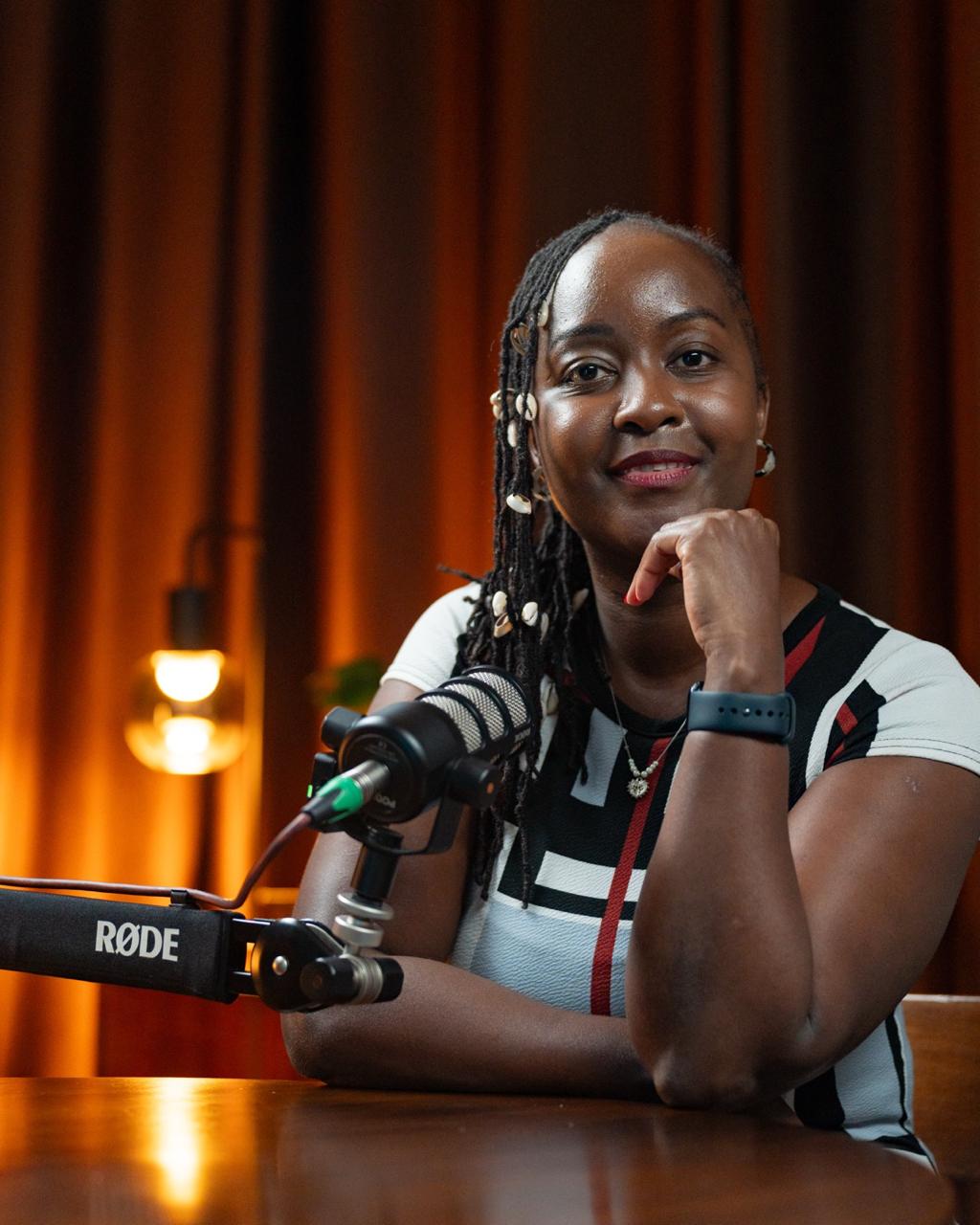
Hello & Welcome
Welcome to the July edition of the Iyashi Pulse. After an active May and June of mental health digital awareness campaigns, this month we shifted our focus to clinical education.
|
We are doing this through our #TruthTuesday series where every week, we spotlight common mental health diagnoses — sharing the diagnosis criteria, debunking surrounding myths, and providing steps for seeking help.
On July 15th we also marked World Youth Skills Day with a special episode of the Iyashi Conversations podcast. Watch on YouTube or listen on Spotify. In the conversation we moved away from the usual focus on building technical skills and talked about the mental health toll of unemployment, how a lack of finances affects how we show up in our social circles, and the daily battle to maintain a sense of purpose when opportunities are scarce. Whether you are navigating this season yourself or supporting someone who is, this is a conversation that resonates across all generations.
Our goal this month is to equip you with the knowledge to understand your mind and the courage to protect it. As always, I invite you to follow our updates on our social media pages.
Warm regards,
Emily Mbelenga
Founder, Iyashi Wellness Centre
|
|
In This Issue
|
🧠
The Science of Letting Go
Why does your brain refuse to forget past hurts? We explore the mechanics of forgiveness and share practical ways to release resentment, regulate your nervous system, and set boundaries.
|
|
🎭
The Weight of the Invisible Mask
We examine the societal stigma that leads to silent suffering, especially among high-functioning professionals. Plus, learn how our #TruthTuesday campaign is turning diagnoses into roadmaps for healing.
|
|
🤖
AI and Parasocial Relationships
As more individuals turn to chatbots for emotional support, we dive into the rise of one-sided digital bonds and why technology can offer a temporary band-aid but should never replace human connection.
|
|
🎙️
Rethinking Youth Empowerment
Guest expert Lordlaro Lidolis challenges the traditional focus on technical skills, arguing that mental and emotional resilience is the most critical survival tool Gen Z needs today.
|
|
🛋️
Clinical Services
Reading about mental health is a great first step, but healing requires action. Discover how our team provides a safe, confidential space to help you navigate burnout, financial stress, relationship challenges, and trauma.
|
|
|
Actionable tips for resilience in a changing world
The Science of Letting Go
We are frequently told to forgive and forget when we are wronged. However, in clinical psychology, we know that our brains are hardwired to remember what harmed us so they can keep us safe. Holding onto unforgiveness keeps the memory acting like a live wire in your nervous system, elevating your cortisol and heart rate every time you think about it.
This month, we challenge you to reframe what it means to forgive. Here are practical ways to let go of past pains:
|
Separate forgiveness from reconciliation.
You can forgive and release the resentment and desire for revenge without ever letting the person back into your life.
|
|
Set boundaries.
You do not have to endure toxic environments to prove you have forgiven. You can forgive someone while simultaneously building boundaries that ensure they never have access to hurt you again.
|
|
Regulate your nervous system.
When a painful memory surfaces, ground yourself in the present. Remind your body that the event is now a historical fact, and it no longer possesses the power to hijack your current emotional well-being.
|
Bring Iyashi to Your Workplace
The Art of Active Listening
Modern corporate culture encourages employees to bring their whole selves to work and be vulnerable. However, recent research shows that when a colleague shares a struggle and receives a mismatched response — like toxic positivity or unsolicited advice — it increases their stress and workplace rumination.
Psychological safety in the office is not created by forcing vulnerability; it is created by equipping teams with the emotional intelligence to handle human interactions correctly. At Iyashi Wellness Centre, our tailored Corporate Wellness Programme trains managers and teams on the art of active listening and response-matching to mitigate chronic stress and build authentic connections.
📩 Email info@iyashiwellness.org to integrate our evidence-based wellness programming into your organization.
|
|
|
Insights from the therapy room
The Weight of the Invisible Mask
In the therapy room at Iyashi Wellness Centre, a recurring theme is the effort it takes to hide. We live in a society that champions resilience, but this morphs into a culture of silent suffering. Stigma — both external and internal — convinces us that struggling with our mental health is a sign of personal failure.
This stigma impacts our health-seeking behaviours. Although we would never ignore a toothache or a fractured bone, we routinely ignore persistent emotional pain, hoping it will just go away. We see high-functioning professionals pushing through major depressive episodes, individuals silently battling mood crashes, and people relying on substances just to numb the daily stress.
|
Clinical diagnoses are not dirty words or permanent labels to be ashamed of — they are roadmaps to healing.
|
Understanding what is happening in your brain and body is the first step toward taking your life back. Therapy provides a structured, non-judgmental space to drop the mask, understand your internal world, and build positive coping strategies.
Follow Our #TruthTuesday Series
Every Tuesday on our social media platforms, we are spotlighting common mental health disorders — from anxiety to depressive disorders — unmasking what these conditions look like in our daily lives. Join the conversation and learn with us:
|
|
|
Navigating the future of mental health
The One-Sided Love Affair: AI and Parasocial Relationships
In recent months, a complex trend has emerged in the digital space: the rise of deep, emotional bonds between humans and AI chatbots. What psychologists call parasocial relationships.
As humans, we are biologically hardwired for connection. When people experience loneliness or isolation, a chatbot that responds with endless empathy, has 24/7 availability, and passes no judgment can easily feel like a true friend. Recent survey data on Kenyan AI usage highlights just how frequently individuals are turning to these entities for emotional support.
But what happens when the lines blur? While AI can simulate empathy, it cannot reciprocate it. It cannot replace the human need to be seen, challenged, and understood by another living person. A one-sided digital bond might offer a temporary band-aid for loneliness, but it cannot heal the underlying wound.
Our work at the intersection of technology and mental health has always been about building safe, digital tools that bridge the gap to human connection — rather than replacing it. It is an honour to continue advocating for this balance as a Fellow at the Childhood and AI Lab, and as a Top 10 Winner of the AI by HER Global Impact Challenge. We should innovate, yes — but responsibly, ensuring that technology is a bridge, not a replacement, for human connection.
|

|
Lordlaro Lidolis
Public Health Professional & Mental Health Advocate · HERAF
We are privileged to feature Lordlaro Lidolis as our guest expert for this month. Coming off the heels of World Youth Skills Day, Lordlaro brings a much-needed perspective to the national conversation around youth empowerment.
|
In his exclusive piece, The Missing Skill: Emotional Resilience as Gen Z's Greatest Superpower, Lordlaro challenges society's narrow definition of upskilling. He points out that when we discuss equipping Gen Z for the future, the focus is almost exclusively on technical abilities — CV writing, networking, and entrepreneurship.
Looking through the lens of mental health, however, Lordlaro argues that we are missing the foundation. He makes a compelling case that the most critical, survival-level skill a young person can possess today is not taught in a computer lab or a business seminar — it is mental and emotional resilience.
|
We are preparing our youth for the technical demands of the workforce, but we are leaving them unequipped to handle the emotional toll of life.
|
He explores how the modern pressures facing Gen Z, ranging from a volatile job markets to systemic societal shifts require a robust psychological toolkit. He leaves us with this: “In an era defined by uncertainty and constant change, emotional resilience is not a soft skill, rather, it is a survival skill. It is the invisible foundation upon which every other skill is built. If we truly want to empower this and the next generation, we must invest beyond careers by enhancing their capacity to thrive”.
|
|
🛋️ Our Therapy Services
If you are carrying the weight of unspoken pain, our individual therapy sessions are confidential and empathetic. Whether you are seeking support for yourself, or looking for resources for a partner, colleague, or friend — our clinical team is ready to help you rebuild your resilience. Virtually and in-person.
|
|
|
A Final Thought for July
If there is one thread tying this month's issue together, it is this: the courage to drop the mask. Whether it is understanding the reality of depression we hide behind closed doors, recognizing that an AI chatbot cannot replace human empathy, or accepting that emotional resilience is the most important skill we can cultivate — healing begins the moment we decide to be honest about where we are.
We convince ourselves that if we just push a little harder, our emotional exhaustion will fade. We hide behind our corporate titles, turn to the isolation of our screens for comfort, and aggressively prioritize our technical skills while our mental health quietly takes a back seat. But as we have explored this month, resilience is not about numbing the pain, functioning through the emptiness, or substituting therapy with technology.
If you find yourself carrying the heavy weight of an invisible struggle, seeking refuge in one-sided digital spaces, or feeling unequipped for the emotional demands of your current season, give yourself permission to pause. You do not have to have it all figured out, and you certainly do not have to heal in a vacuum.
Your mental health requires the same intentional investment as your physical health and your career. Treat it accordingly.
Here is to a month of unmasking our struggles, building emotional resilience, and choosing human connection.
— Team Iyashi Wellness Centre
|
|
👀 Coming in August
Grief Awareness Month & Navigating Life After Loss
🎙️ Special Podcast Episode
August is Grief Awareness Month, culminating in National Grief Awareness Day on August 30th. Iyashi Conversations will be featuring Esther, who shares her lived experience of losing her spouse — the emotional toll of bereavement, the challenge of navigating a shattered reality, and the slow journey toward healing. A conversation that will resonate with anyone who has experienced loss.
Don't miss it — subscribe on YouTube or follow on Spotify so you are notified the moment it goes live.
|
Our social media awareness also continues across our platforms. For August, our focus remains on educating around mental health diagnoses and sharing articles on grief. Keep an eye on #TruthTuesday every week to bring these conversations out of the shadows.
See you next month.
|
|
|
Iyashi Wellness Centre
Healing Body, Mind, and Spirit
© 2026 Iyashi Wellness Centre. All rights reserved.
You are receiving this email because you subscribed to the Iyashi Pulse.
Unsubscribe · iyashiwellness.org
|
|