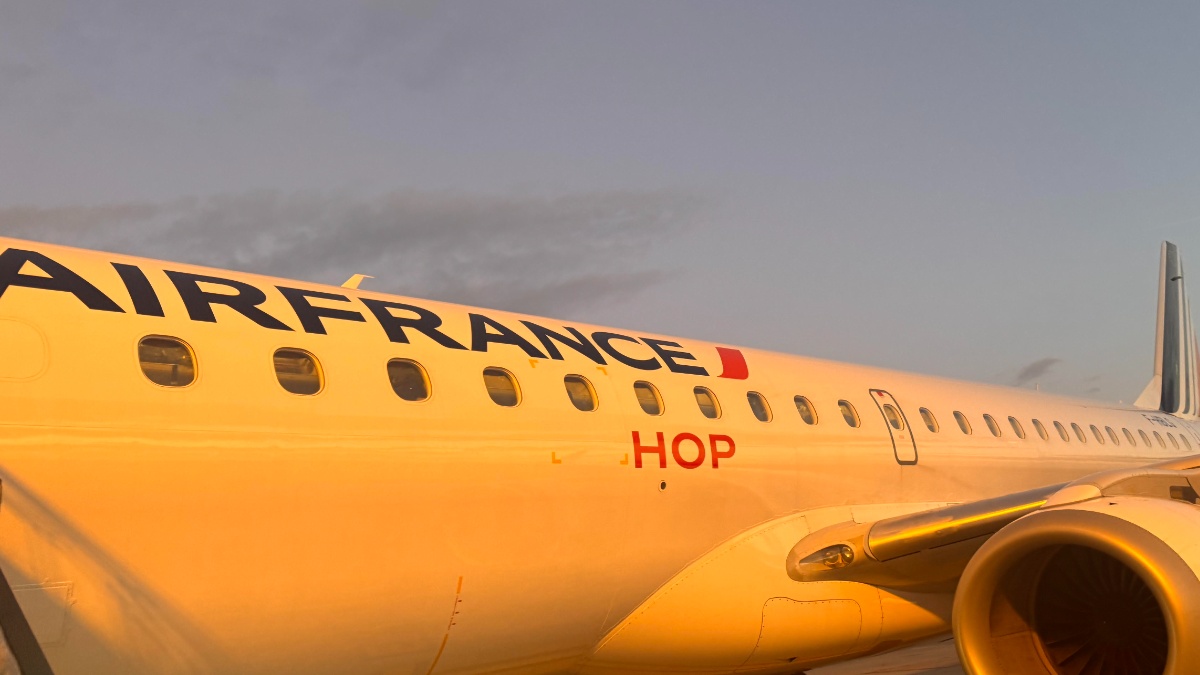
Beyond the death grip: My flight to France & learning to tolerate anxiety (even at 40,000 feet)
My recent trip to France was my first international flight of the year 2025. It was also a first time in the air after a long period of not flying. Although I had flown many times before, I am, admittedly, an anxious flier. Many times, I have death gripped my way across destinations and much prefer shorter hauls to long-haul flights (for obvious reasons :).
The apprehension about flying is something many of us experience, whether as a mild unease or a more pronounced aviophobia. Interestingly, a recent Monitor on Psychology article, "Aviation incidents amplify fear of flying, but therapy helps people reclaim the skies," landed on my desk just before my trip. Reading it provided me with insights and practical strategies that helped me to navigate my own anxiety, transforming what could have been a dreaded experience into a journey of self-mastery.
https://www.apa.org/monitor/2025/09/aviophobia-fear-flying
The article underscored an important point:
"The more someone learns they can handle even excess anxiety, ideally the less anxiety they will experience each time they fly."
This resonated with my clinical understanding and gave me a fresh perspective on my own flight experience.
Here are the key takeaways and tips that helped me, and what I believe can help others, including fellow therapists supporting anxious clients:
Understanding the nature of flight anxiety
The article clarifies that fear of flying (aviophobia) is common, affecting up to 40% of people, though not all meet diagnostic criteria. It is often rooted in deeper fears:
Lack of control: The inability to influence the situation once on board.
Claustrophobia: Being confined in a small space.
Panic attacks: Fear of experiencing a panic attack or appearing anxious in front of others.
Media amplification: As Captain Tom Bunn, a pilot and social worker, notes, constant news about aviation incidents can significantly worsen fears.
My own anxiety mainly centers around the feeling of being trapped and the unexpected sensation of turbulence – a fear that, as the article mentions, is now compounded by the increase in clear-air turbulence due to climate change.
My personal strategies for riding the waves of anxiety (and what the article taught me)
Instead of fighting the anxiety, the monitor article (and my own clinical training) pointed to a more effective path: developing a willingness to experience the anxiety rather than trying to get rid of it.
Acknowledge and allow the anxiety: John Hart, PhD, a clinical psychologist, emphasizes that "Not only is it OK to be anxious, but you’re learning to tolerate your anxiety, and you’re actually making progress when you are anxious.” Before my flight, I actively told myself that feeling anxious was a sign that I was engaging with my fear, not avoiding it. This reframing was very powerful.
Focus on the destination, not the journey's dread: Joe Sulewski, a fearful flier mentioned in the article that he realized part of his fear stemmed from feeling trapped. He learned to focus on the excitement of his destination. I consciously shifted my thoughts to the vibrant culture of France, the professional connections I would make, and the new experiences awaiting me, rather than fixating on the flight itself.
Arm yourself with skills (CBT & Mindfulness): The article highlights that exposure therapy paired with cognitive behavioral skills (mindfulness, meditation, reframing intrusive thoughts) is highly effective. Before boarding, I engaged in deep breathing exercises, practiced mindfulness to stay present, and challenged catastrophic thoughts. I will crash and leave my daughter motherless is my most serious catastrophic thought when flying since becoming a mother. I reminded myself of aviation safety statistics.
Embrace incremental exposure (even if mental): While I didn't do a graduation flight, the mental rehearsal of scenarios (as suggested by Dr. Jonathan Bricker) helped. I visualized the takeoff, turbulence, and landing, practicing my coping mechanisms in my mind.
Data as a soother (for the data-centric): For those inclined, like an example of a respondent who tracked g-forces with an app, quantifying turbulence can reduce emotional response. While I didn't use an app, understanding why turbulence happens (air density, weather patterns) helped rationalize the experience rather than personalize it.
A note for therapists guiding clients to reclaim the skies
For fellow practitioners, the article reinforces that aviophobia is highly treatable, with a 75% success rate for patients completing their first post-treatment flight.
Accurate diagnosis is key: Differentiate aviophobia from other anxiety disorders (like agoraphobia or panic disorder where the plane is just the setting). Validated screening tools (e.g., Flight Anxiety Situations questionnaire) are important.
Exposure therapy is gold standard: Gradual, controlled exposure (even through guided visualization or virtual reality as mentioned in the article) combined with CBT skills like mindfulness and thought reframing.
Focus on willingness, not eradication: Help clients develop the willingness to experience anxiety, rather than avoid it. Teach them to tolerate the discomfort, reinforcing that this tolerance is progress.
Encourage "Graduation Flights": Ideally, accompany clients or encourage them to take short, mastery flights post-treatment to build confidence.
My flight to France was not anxiety-free, but it was certainly a testament to the power of these strategies. I felt the anxiety, acknowledged it, and leveraged the tools that research (and personal experience) confirm are effective. It was a journey of not just reaching a destination, but of deepening my relationship with my own inner experience.
For a comprehensive dive into the psychology of fear of flying and therapeutic interventions, I highly recommend the full APA Monitor on Psychology article:
https://www.apa.org/monitor/2025/09/aviophobia-fear-flying
Have you experienced anxiety when flying?
What strategies have worked for you, either personally or in supporting your clients? Share your insights below!