Why Vulnerability is a powerful tool for resilience
As we step into 2026, many men are quietly exhausted. Not because they lack ambition or discipline, but because they have been carrying too much, for too long, and mostly in silence. January, in particular, amplifies this strain. It arrives with fresh expectations: school fees, rent, family needs, work targets, and the unspoken responsibility to “start the year strong.” For many men, this month feels less like a beginning and more like a test.
From an early age, men are taught that resilience means endurance.
We are praised for pushing through pain, for not complaining, for holding it together no matter the cost. Over time, this definition of strength becomes a cage.
Emotional fatigue, anxiety, and fear are internalized rather than expressed. The result is not resilience, but quiet erosion accompanied by burnout, emotional isolation, substance use, strained relationships, and, in extreme cases, loss of life.
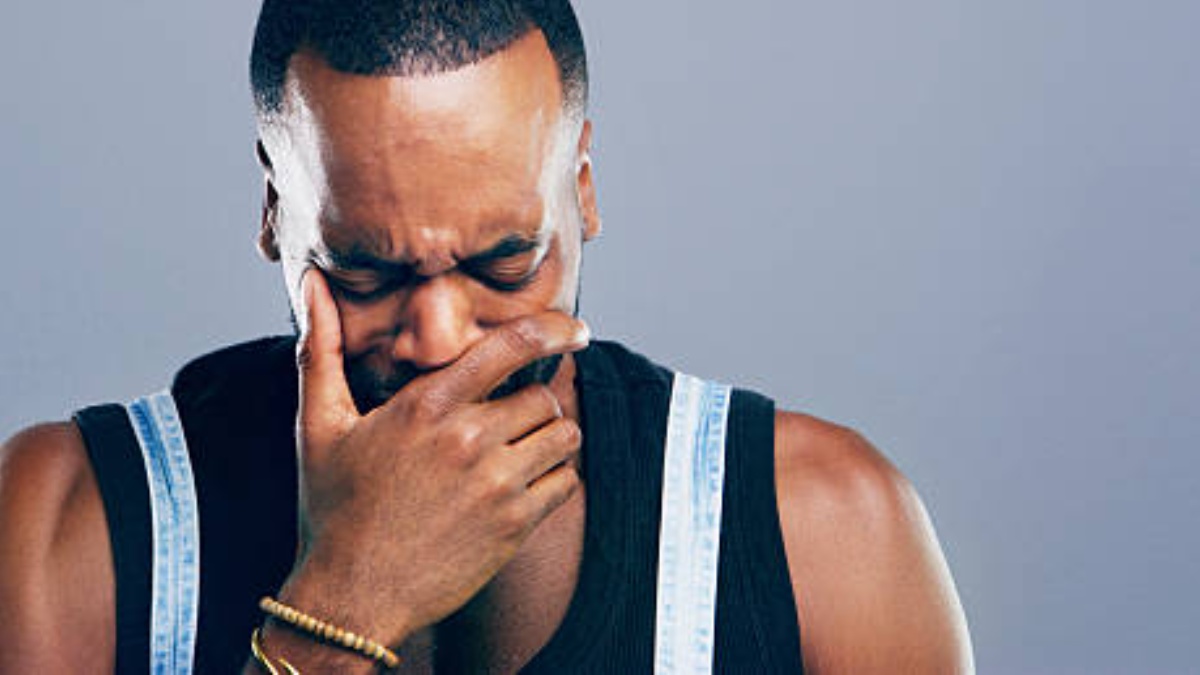
True resilience is not about suppressing emotion, it is about having the capacity to face it honestly. Vulnerability is often misunderstood as weakness, yet it is one of the most practical tools for emotional endurance. When a man allows himself to say, “I am not okay,” he creates an opening door for support, reflection, and course correction. Naming pressure reduces its power. Speaking truth interrupts the cycle of silent suffering that we go through as men.
In my work through A MAN MUST CRY, I have witnessed how transformative safe spaces can be when men are given permission to fully feel they are human. Men do not lack strength or emotions, what they lack is language, safety, and permission. Once these are present, healing becomes possible. Conversations once avoided become lifelines. Tears become release. Community becomes medicine for healing.
As men navigate the weight of January and the year ahead, two grounding practices can help.
First, redefine success. Your value is not limited to how much you provide financially or how composed you appear. Rest, honesty, and emotional presence are also forms of responsibility.
Second, speak to someone. A friend, mentor, therapist, peer group, or trusted colleague. Resilience grows in connection, not isolation.
Purpose is not found in suffering alone; it is discovered in alignment between who we are, what we feel, and how we live. As we enter 2026, may we allow men the freedom to unlearn harmful strength and embrace a more sustainable and healthier one. One that includes showing vulnerability, softness, truth, and support.
Because sometimes, the strongest thing a man can do is cry- to ask for help, to seek support, to release the build-up emotions he has carried for too long and to keep going.