|
May & June 2026
The Iyashi Pulse

Insights to stay resilient in a changing world
Iyashi Wellness Centre
|
|
Breaking the silence on men's mental health, the science of courage, and our digital campaigns
|
|
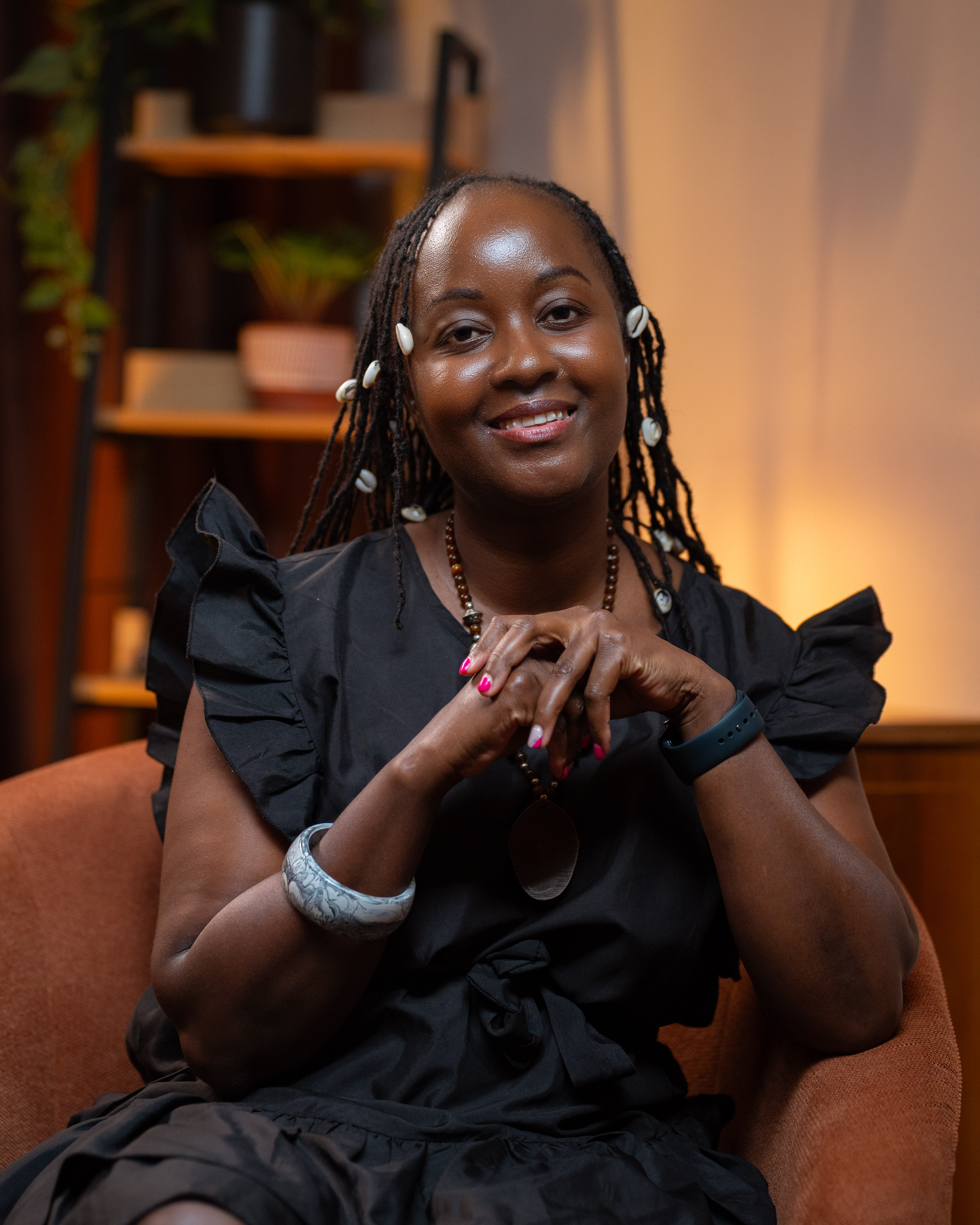
Founder's Note
|
Hello & Welcome
Welcome to this special combined May and June edition of the Iyashi Pulse. The past two months have been focused on digital advocacy and breaking the silence that too often surrounds our mental health.
|
May marked Mental Health Awareness Month, and June brings our focus to Men's Mental Health Awareness Month. To honour both, our team launched back-to-back digital campaigns designed to challenge stigma, educate, and create safe spaces for honest and vulnerable conversations.
A significant highlight of our June campaign has been the launch of our Men's Voices feature. We recently shared the lived experience of A.M.N, a financial professional who navigated psychosis and the weight of societal judgment. Read his story here. It is a reminder of why we must continue advocating for mental health to be treated as a medical condition, not a moral failure or personal weakness.
We have also been tackling these topics on the Iyashi Conversations podcast. Our latest episode unpacking the silence around men's mental health with guest Victor is now live. Watch on YouTube or listen on Spotify.
Additionally, June 25th marked the two-year anniversary of Black Tuesday. I spent time reading into the latest psychological research to understand the mechanics of bravery and how we can apply that same courage to advocate for ourselves in our boardrooms, relationships, and daily lives. Read the article on the science of courage.
Whether you are engaging with our digital campaigns, sharing our podcast episodes, or taking the courageous step to prioritize your own healing in therapy, we are honoured to walk this journey with you.
As always, I invite you to follow our updates on our social media pages.
Warm regards,
Emily Mbelenga
Founder, Iyashi Wellness Centre
|
|
In This Issue
|
💼
Redefining Strength and Silence
In many of our cultures, strength is associated with silent endurance. We challenge the myth that asking for help is a sign of weakness and offer practical ways to shift the culture of silence around mental health.
|
|
🌱
The Science of Everyday Bravery
Are some people born brave, or can courage be learned? We explore the dual-process model of courage and how you can 'hack' your own bravery to advocate for yourself in your daily life.
|
|
🧠
Re-imagining Men's Mental Health
We feature guest expert Scholar Bundi, who challenges the conventional face-to-face therapy model for Kenyan men. Discover why trust is built side-by-side, and why men are not refusing help — they just have not found support designed for how they connect.
|
|
🤖
Hacking the Tools in Our Pockets
Can your smartphone predict a mental health crisis? We share the latest research on passive data tracking and discuss why generic AI tools are not trauma-informed or safe for crisis support.
|
|
🛋️
Clinical Services
Reading about mental health is a good first step, but healing requires action. Learn how our clinical team provides a safe, confidential space to help you navigate burnout, financial stress, relationship challenges, and trauma.
|
|
Redefining Strength and Silence
In many of our cultural contexts, strength is associated with silence and endurance. For men especially, societal conditioning dictates that challenges should be handled privately. However, suppressing pain does not make it disappear — it forces the body and mind to carry the burden, often manifesting as chronic stress, anxiety, or burnout.
This month, we challenge the myth that asking for help is a sign of weakness. Here are practical ways to shift the culture of silence around mental health:
|
Ask twice.
The standard "How are you?" is almost always answered with "I'm fine." Make it a habit to ask a second time: "How are you holding up, really?" — and give the person time to answer.
|
|
Hold space, don't fix.
When someone opens up about a mental health struggle, resist the urge to offer solutions. Practice active, judgment-free listening instead. Sometimes, feeling heard is the most powerful intervention.
|
|
Reframe therapy.
Treat mental health care the same way we treat physical health. Speaking to a clinical psychologist is a proactive step toward clarity — it should not be your final resort.
|
Bring Iyashi to Your Workplace
We spend most of our waking hours at work, making psychological safety a necessity for overall well-being. Iyashi Wellness Centre provides tailored corporate wellness programming designed to integrate mental health and nutrition support into your workplace culture.
📩 Email info@iyashiwellness.org to discuss building wellness for your organization.
|
|
The Science of Everyday Bravery
This June, as we marked the two-year anniversary of Black Tuesday, our nation reflected on the undeniable courage of the Gen Z demonstrators on the streets of Nairobi. Witnessing ordinary citizens transform into human shields raises an important question: Are some people born brave, or is courage a muscle that can be conditioned?
In the therapy room at Iyashi Wellness Centre, we frequently see people grapple with fear. A common misconception is that courage requires the absence of fear — that if your hands are shaking and your voice is cracking, you are weak. Psychological research, however, debunks this myth.
|
"Bravery is not a random emotional impulse, but an internal calculation. Your brain weighs the risk against the meaning of the action. If the perceived meaning outweighs the risk, courage takes over."
|
Researchers suggest a dual-process model of courage, known as the approach-avoidance conflict. This means we can 'hack' our own courage. Whether you need the bravery to leave a toxic relationship, set a boundary with family, or speak up against an unethical practice at work — you do not have to be fearless. You just have to decide that your truth is more important than your comfort.
|
Hacking the Tools in Our Pockets
A 2024 study by Morris et al. caught our eye because it focuses on technology we all carry daily: our smartphones. The researchers utilized AI to analyse passive metrics — sleep patterns, step counts, social call frequencies, and time spent at home — to predict a mental health crisis before it even happens.
In Kenya, where smartphone penetration is among the highest in Africa, we could ethically leverage the passive data they generate to see patterns that support our clinical work.
Many people are turning to generic AI tools for support because of a shortage of human practitioners. However, generic AI is not trauma-informed, cannot handle crises safely, and often simply agrees with a user when they may need to be challenged.
Our solution is not to ban technology, but to build better, safer, and context-specific digital tools. Technology will never replace the need for human connection or 1-on-1 therapy — but we can leverage it to improve how we provide services.
|
|
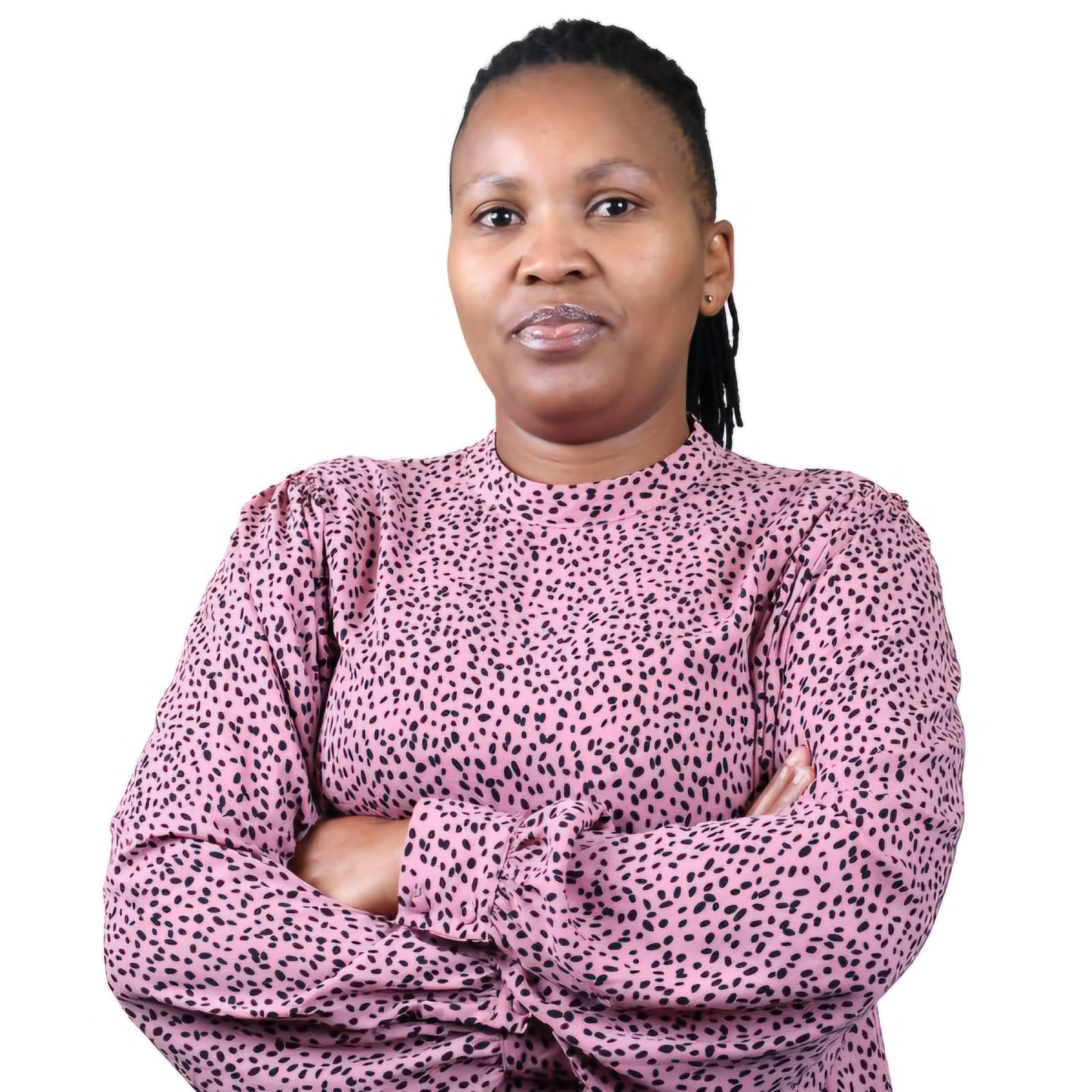
Scholar Bundi
Counselling Psychologist · Tulivu Global Wellness Centre
We are privileged to feature Scholar Bundi as our guest expert this month. As we bring focus to Men's Mental Health Awareness, we must confront a painful reality: approximately eight out of every ten suicide deaths in Kenya involve men, yet they remain the least likely demographic to seek professional psychological support.
|
In her exclusive piece, Re-imagining Men's Mental Health Support in Kenya, Scholar challenges the conventional, highly verbal, face-to-face therapy model. She explains that for many men, sitting in an enclosed office feels emotionally exposing and inconsistent with cultural expectations of strength and self-reliance.
|
"In our African context, trust is rarely built through direct, vulnerable disclosure right out of the gate. Rather, trust is built side-by-side, through shared action, before emotions can safely be discussed face-to-face."
|
Scholar highlights that male psychological distress frequently presents indirectly — through irritability, overworking, physical ailments, or substance use — rather than verbalized sadness. She advocates for integrating mental health support into spaces where men already gather: community barazas, sports clubs, and investment groups (chamas).
Scholar leaves us with a powerful truth: Men are not refusing help — they have not yet found support designed in a way they can safely, comfortably, and realistically access.
|
|
🛋️ Our Therapy Services
If you are carrying the weight of unspoken pain, our individual therapy sessions are confidential and empathetic. We offer a safe space to navigate burnout, financial stress, relationship challenges, trauma, and much more — virtually and in-person.
|
|
|
A Final Thought for May & June
If there is one thread tying this combined issue together, it is this: breaking the silence. Whether it is finding the courage to set a boundary, the bravery to challenge the stigma of mental illness, or the realization that even our most advanced digital tools cannot replace the safety of a therapist — healing begins the moment we stop pretending we are invincible.
We live in a culture that frequently equates strength with silent endurance. But as we have explored over these last two months, resilience is found in connection, not isolation. Healing is not about toughening up; it is about having the courage to take the armour off.
Your mental health is just as important as your physical health. Treat it accordingly.
Here is to a season of open conversations, redefined strength, and unshakeable courage.
— Team Iyashi Wellness Centre
|
|
👀 Coming in July
World Youth Skills Day & Demystifying Diagnoses
🎙️ Special Podcast Episode
July 15th is World Youth Skills Day. We are preparing a special episode of the Iyashi Conversations podcast — sitting down with a youth guest for an honest, unfiltered discussion about the psychological toll of unemployment: the anxiety of job-hunting, financial strain, and the struggle to maintain a sense of purpose.
Subscribe on YouTube or follow on Spotify so you are notified the moment it goes live.
|
Our social media focus also shifts to #TruthTuesday — every week we will profile common mental health diagnoses: how to spot early warning signs, debunking the myths, and practical steps to get help. Keep an eye on our pages every Tuesday.
|
|
|
Iyashi Wellness Centre
Healing Body, Mind, and Spirit
© 2026 Iyashi Wellness Centre. All rights reserved.
You are receiving this email because you subscribed to the Iyashi Pulse.
Unsubscribe · iyashiwellness.org
|
|