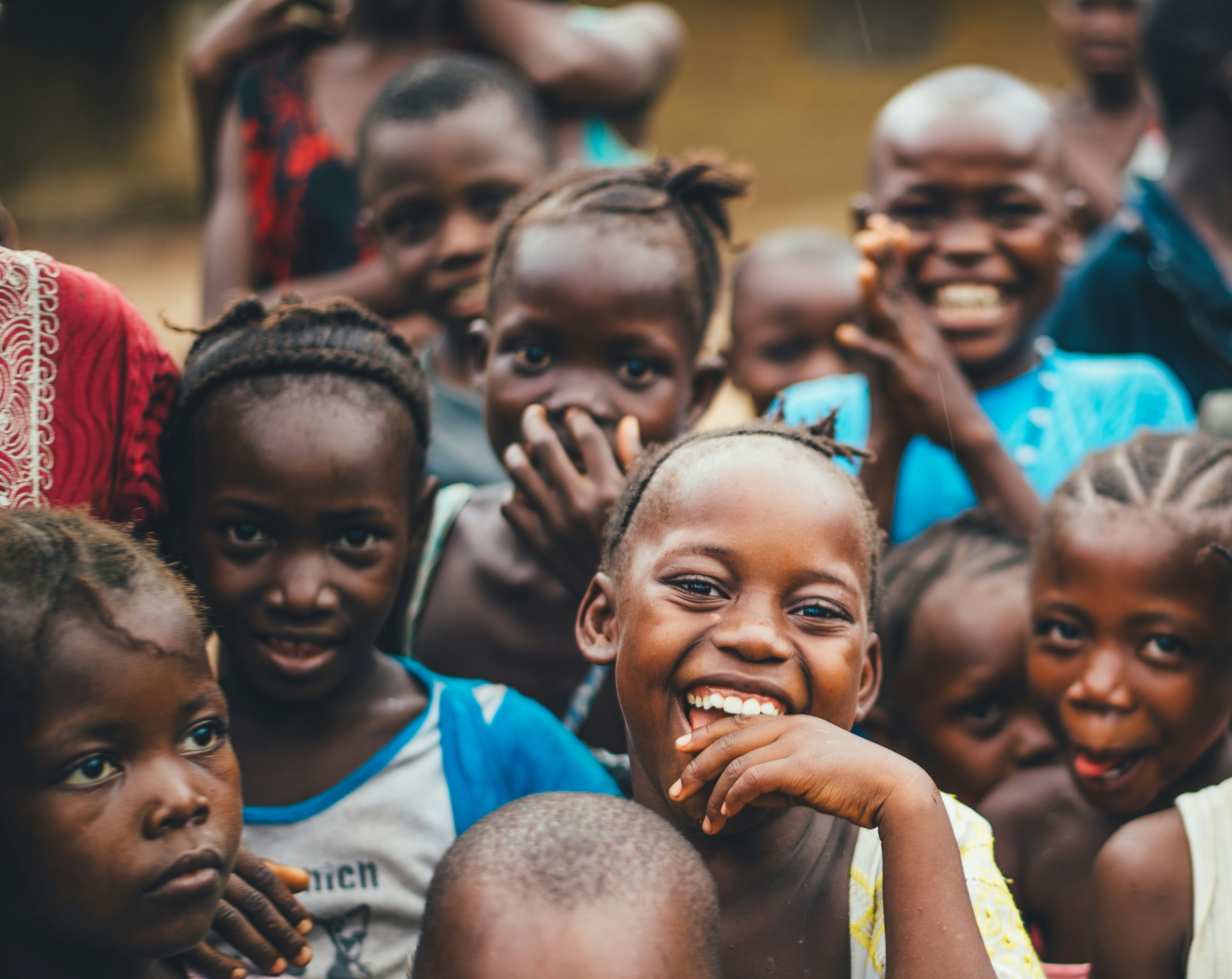
On any ordinary day in Kenya, children stream in and out of homes, chatter on their way to school, or play football and make memories. To an outsider, childhood looks simple and fun. But beneath these ordinary scenes lies an invisible landscape, shaped by experiences many Kenyan children never speak about.
“I thought this was normal. I didn’t know it was violence.”National data from the 2019 Violence Against Children Survey (VACS) show that nearly half of Kenyan girls (45.9%) and more than half of boys (56.1%) experience some form of violence before age 18, with physical violence being the most prevalent, affecting 38.8% of females and 51.9% of males, primarily perpetrated by parents and caregivers[1].
Yet society often tells them the opposite.
“It is normal.”
“I am just disciplining you.”
“You just like attention.”
“You’ll get over it.”
How does adversity embed itself?
Adverse Childhood Experiences are not just events. They are disruptions to the main systems that shape a child’s emotional blueprint. In Kenya, ACEs rarely occur in isolation. Studies show that children often experience clusters of adversities, physical abuse mixed with emotional humiliation, community violence layered with parental instability, or the loss of a caregiver intertwined with poverty. Additionally, sexual and gender-based violations disrupt a child's development, and when we zoom out, the numbers are staggering. One in five Kenyan girls aged 15–19 is already pregnant or has a baby, exposing them to unsafe abortions, maternal complications, and school dropout.
When home and community both feel unsafe
The burden of ACEs is highest in Kenya’s marginalized environments, especially in informal settlements. In places like Kibera and Mathare, more than half of the youth report having 3 or more ACEs. Mental health challenges, including depression, anxiety, and hopelessness, rise sharply with each ACE. Coping behaviors like alcohol or drug use often make the emotional terrain even harder to navigate. Schools, too, mirror this adversity. The more ACEs they carry, the heavier their depression and anxiety symptoms.
Why Kenyan children are especially vulnerable
The drivers of ACEs in Kenya extend beyond individual families. They are rooted in Socioeconomic stress like overcrowding, unemployment, hunger, and unstable income. ACEs are also driven by community violence such as witnessing fights, aggression, or crime in their environment. Shifting family structures like divorce, separation, or caregivers working far from home also drive adverse childhood experiences as do harmful norms like corporal punishment, child marriage, and FGM in some areas. Lastly orphanhood, HIV-related mortality and morbidity, economic instability, or parental migration are also drivers. For many children, adversity is not a single event; it is a context.
The cost of ACEs
The emotional consequences of ACEs stretch far into adolescence and adulthood.
Children who grow up without a stable sense of safety may experience:
Higher levels of depression and anxiety
Post‑traumatic stress symptoms
Behavior challenges, including hyperactivity, aggression, withdrawalIncreased substance use
Bullying, both as victims and perpetrators
School becomes harder. Concentration slips. Performance drops. Some eventually leave altogether. And while Kenya lacks long‑term data on adult outcomes, global research shows that unaddressed childhood adversity predicts poorer health, strained relationships, and ongoing emotional struggles well into adulthood.
A reframing for all of us
As a country, we often underestimate children's emotional timelines. We assume they “bounce back,” that they forget, that youth itself is a shield against trauma.
But children don’t outgrow adversity; they grow around it, unless support helps them heal.
“If a young person is struggling today because of something that happened years ago, they are not 'weak, dramatic,' or 'overreacting.' They are living through the long neurobiological restructuring that trauma demands. Healing from adverse childhood experiences is not a matter of 'toughening up. It is a reconstruction of safety.”
Investment in trauma-informed care is a step toward giving children what they have always deserved, including
A chance to grow in safety.
A chance to heal.
A chance to thrive.
References